

Weddings as a Shared Experience: How to Create a Wedding That Feels Relaxed, Connected and Memorable

In this guide
-
What makes a wedding feel like a shared experience
-
Why some weddings feel rushed while others feel deeply memorable
-
The difference between event-led and experience-led weddings
-
The main wedding format archetypes, from one-day to retreat-style
-
Why time, accommodation, and place matter so much
-
The moments outside the formal schedule that guests remember most
-
What breaks shared-experience energy
-
How to decide what format actually suits you
A lot of weddings are beautiful.
They are well styled.
They are thoughtfully planned.
They have meaningful ceremonies, lovely food, and all the visible ingredients that should make a wedding feel exceptional.
And yet some of them still feel strangely compressed.
The ceremony happens.
The drinks begin.
Dinner starts.
Speeches happen.
The dance floor opens.
Then suddenly the night is over.
Nothing has gone badly. But the day can still feel as though it passed too quickly to really inhabit. Guests were there, the moments were there, the photographs are beautiful, and yet the overall experience feels narrower than expected. More scheduled than shared. More like a successful event than something people truly lived together.
Other weddings feel different.
They feel:
-
more spacious without being slow
-
more connected without being over-programmed
-
more memorable without relying on spectacle
-
and more emotionally complete, even when the styling is comparatively simple
Usually, the difference is not just budget.
It is not trend.
It is not whether the couple hired more suppliers or chose a bigger venue.
More often, the difference is this:
Was the wedding designed mainly as an event, or was it designed as a shared experience?
That distinction matters more than many couples first realise.
Because what guests tend to carry away is rarely just:
-
the run sheet
-
the floral palette
-
the order of formalities
-
or whether every decorative detail landed perfectly
They remember:
-
how the wedding felt
-
how welcome and relaxed they felt within it
-
whether there was room for real connection
-
whether the setting seemed to hold the celebration naturally
-
and whether they felt part of something genuinely shared, not simply present for a sequence of moments
This guide is designed to help you think about weddings through that lens.
Not because every wedding needs to become a full 3 days.
Not because every couple needs a retreat format.
And not because one-day weddings cannot be wonderful.
But because many couples are trying to create something more connected and memorable than a tightly compressed event structure naturally allows, and they are often not given language or frameworks to do that well.
Quick answer: what makes a wedding feel like a shared experience?
A wedding feels like a shared experience when guests have enough time, ease, comfort, and connection to settle into the celebration, rather than simply moving through a schedule of formal moments.
That usually comes from a combination of:
-
time to arrive, settle, and connect
-
accommodation or stay logic that reduces travel pressure
-
strong flow so the day feels natural rather than stop-start
-
guest comfort that allows people to stay present
-
sense of place so the setting contributes emotionally
-
and social continuity across the celebration, not just within the ceremony and reception window
In other words, a shared-experience wedding is not defined by how many activities it contains.
It is defined by whether the wedding gives people:
-
room to arrive properly
-
room to connect properly
-
and room to remember it as more than a sequence of scheduled moments
Why some weddings feel rushed while others feel deeply memorable
People often assume that memorable weddings are memorable because:
-
the location was extraordinary
-
the styling was perfect
-
the speeches were especially moving
-
or the ceremony was unusually emotional
Those things can absolutely contribute.
But memory is also shaped by something less obvious:
emotional pace
A wedding becomes more memorable when people have enough time not just to witness it, but to feel it.
When a day is too compressed, guests often experience it in fragments:
-
arrive
-
find their seat
-
ceremony
-
drinks
-
dinner
-
speeches
-
dancing
-
leave
Even when all of those pieces are successful, the overall experience can feel narrow. People remember flashes. The day may feel efficient, but not emotionally full.
A wedding often becomes more memorable when it includes:
-
anticipation before the main moments
-
ease on arrival
-
time for conversations to stretch
-
moments that are not formally programmed
-
and a softer ending, rather than a sudden stop
That is why some weddings feel much bigger than their timeline suggests. The wedding had enough room for meaning to accumulate.
What helps memory deepen
-
Guests are not rushed into the experience
-
The setting feels inhabited, not just hired
-
There is continuity between moments
-
The social atmosphere has time to warm up
-
People leave feeling they were part of something, not just present at it
This matters because many couples say they want their wedding to feel:
-
relaxed
-
connected
-
memorable
-
and warm
Those words are often describing a wedding with better emotional pace, whether couples realise it or not.
The difference between an event-led wedding and an experience-led wedding
This is one of the most useful distinctions a couple can make early.
An event-led wedding is primarily designed around the visible formal event:
-
the ceremony
-
the reception
-
the run sheet
-
the milestones
-
and the logistics of delivering them successfully
An experience-led wedding is designed around:
-
how the whole celebration feels
-
how people move through it
-
how time and place shape it
-
and what kind of connection the format allows
Neither category is morally superior. Some couples genuinely want a beautifully run one-day event with a clear formal shape. That can be completely right for them.
But the categories do produce different outcomes.
Event-led weddings often prioritise:
-
efficient sequencing
-
fitting meaning into one contained day
-
visible high points
-
formal structure
-
schedule discipline
-
the event itself as the main site of memory
Experience-led weddings often prioritise:
-
emotional rhythm
-
arrival and settling in
-
guest ease
-
accommodation and staying together
-
continuity between formal and informal moments
-
memory through atmosphere and connection, not just milestone moments
Event-led vs experience-led
Event-Led Wedding | Experience-Led Wedding |
|---|---|
The run sheet carries the day | The experience carries the day |
Memory comes from the headline moments | Memory comes from moments plus atmosphere, pace, and connection |
Pressure sits heavily on one day | Pressure is spread more gently across time |
Venue mainly hosts the event | Venue helps shape the wider experience |
Guests arrive, attend, and leave | Guests settle in and stay connected |
Tightly structured around formal moments | Built around how the whole celebration feels
|
A lot of couples never consciously choose an event-led format. They simply inherit it because that is the default wedding model they have seen most often.
That is why this distinction matters. Once you can see it, you can make a more deliberate choice.
The main wedding format archetypes
One of the easiest ways to clarify what you are really trying to create is to look at the main wedding format archetypes.
Not every wedding needs to become a full three days. But many couples do benefit from understanding what different structures actually create.
1. The classic one-day event wedding

This is the most familiar format:
-
guests arrive on the day
-
ceremony and reception happen in one main event window
-
most guests leave that evening or later that night
What it does well
-
clarity
-
simplicity
-
less accommodation dependence
-
strong fit for local guest lists
-
easier for couples who want a contained structure
What it struggles with
-
compression
-
travel pressure
-
abrupt ending
-
less room for slower connection
Best for
-
strongly local weddings
-
couples wanting a formal, contained, elegant structure
-
guest lists where overnight stay is unnecessary or difficult
2. The one-day wedding with overnight stay logic

This format still centres the main wedding day, but guests stay on-site or nearby.
What it creates
-
calmer arrival and departure
-
more social continuity
-
reduced late-night pressure
-
stronger sense of occasion than a pure one-day event
What it does well
-
keeps the event structure simple
-
improves guest ease significantly
-
often creates the benefits of a shared experience without requiring a fully programmed weekend
Best for
-
regional weddings
-
guest-heavy weddings
-
couples wanting more ease without committing to a larger multi-day structure
3. The welcome-evening plus wedding-day format

This often includes:
-
guest arrival during the afternoon or evening before
-
a welcome drink, casual dinner, firepit gathering, or gentle social moment
-
the main wedding the next day
What it creates
-
emotional settling
-
more familiarity between guests before the formal day
-
lower pressure on the main wedding day
-
a more connected social atmosphere
What it does well
-
helps the main day feel less abrupt
-
gives guests a chance to arrive as people, not just attendees
-
often improves comfort, mood, and social warmth dramatically
Best for
-
destination-style weddings
-
regional weddings with accommodation
-
couples who value guest connection but do not want an over-programmed weekend
4. The full wedding weekend

This usually includes:
-
arrival and a first gathering
-
the main wedding day
-
a breakfast, lunch, or farewell moment the next day
What it creates
-
stronger continuity
-
more time together
-
softer endings
-
deeper social memory
What it does well
-
gives the celebration enough room to breathe
-
creates a stronger feeling of “we were all in this together”
-
makes the location and accommodation work much harder in a good way
What it can get wrong
-
over-programming
-
making guests feel scheduled instead of welcomed
-
turning a wedding into a mini-conference
Best for
-
stay-on-site weddings
-
couples who care deeply about time together
-
settings with enough place-value and accommodation to justify the format
5. The retreat-style multi-day celebration

This is the most immersive format. The wedding becomes less an event surrounded by extras and more a shared environment over time.
It often includes:
-
group stays
-
informal shared-time moments
-
slower social rhythm
-
multiple light-touch experiences rather than many big formal elements
What it creates
-
the strongest sense of immersion
-
the strongest place-based memory
-
very high guest connection when done well
What it requires
-
a venue that can genuinely support it
-
strong accommodation
-
guest comfort
-
careful restraint so the weekend feels spacious, not forced
Best for
-
highly place-led venues
-
couples who care more about connection than spectacle
-
guest groups likely to lean into a stay-based experience
Outdoor wedding archetypes compared
Format | Best For | Strengths | Watchouts |
|---|---|---|---|
Full wedding weekend | Couples wanting shared time | Strong continuity and memory | Can become over-programmed |
Welcome evening + wedding day | Connection-led destination weddings | Better arrival, stronger social warmth | Needs restraint and calm design |
One-day with overnight stay | Regional weddings needing ease | Less travel pressure, better flow | Still relies on one main event day |
Classic one-day event | Local, contained weddings | Clear structure, lower sprawl | Can feel compressed |
Why accommodation changes group dynamics
If there is one practical factor that most often turns an event into a shared experience, it is accommodation.
Not because rooms are glamorous.
Not because accommodation itself is emotionally moving.
But because staying together changes group dynamics in very concrete ways.
Arrival feels different
Guests do not arrive already trying to catch up with the day.
Conversations change
People move beyond quick greetings and into actual connection.
The setting matters more
A place becomes part of the memory when people have time to inhabit it.
Formal moments land more deeply
Ceremony, speeches, and other key moments often feel stronger when the day around them is less compressed.
Endings feel less abrupt
People can leave gradually rather than feeling the whole experience stopped at once.
This does not mean more time is always better.
Poorly used time can feel flat or indulgent. But well-used time changes emotional texture in a way styling alone cannot.
A useful question
Ask not:
How much can we fit in?
Ask:
How much time does this celebration need in order to feel the way we want it to feel?
That is a much better design question.
A simple shared-experience wedding framework
If you want to judge whether your current plans are moving toward a wedding that feels genuinely shared, use a framework like this.
Category | What to Assess | Better Questions |
|---|---|---|
Overall fit | Whether this format suits the couple and the guest mix | Is this the kind of wedding we genuinely want to create? |
Sense of place | How much the location contributes emotionally | Is the setting doing meaningful work beyond looking good? |
Guest connection | Opportunities for real shared time | Are guests part of an experience, not just an event? |
Flow | How naturally the celebration unfolds | Will the wedding feel smooth and continuous? |
Accommodation | Whether guests can stay connected to the setting and each other | Does staying nearby meaningfully improve the experience? |
Time | How compressed or spacious the celebration feels | Are we giving this wedding enough room to breathe? |
A quick shared-experience test
You are probably moving toward the right format if:
-
you care about how the whole celebration feels, not just the formal moments
-
you want guests to settle in rather than simply attend
-
accommodation or staying nearby matters to your format
-
you value pace, atmosphere, and connection
-
you want the wedding to be memorable because of the experience, not just the styling
Frequently asked questions
What makes a wedding feel more connected and memorable?
Does a wedding weekend always create a better guest experience?
Why does accommodation matter so much for wedding atmosphere?
Can a one-day wedding still feel like a shared experience?
When does a multi-day or destination-style format make sense?
What do couples most often underestimate about guest connection and pace?
Final thought
A wedding becomes a shared experience when people have enough:
-
time
-
ease
-
comfort
-
connection
-
and sense of place
to feel part of something more than a schedule.
That is what many couples are really asking for when they say they want the wedding to feel:
-
relaxed
-
memorable
-
connected
-
and meaningful
They are not necessarily asking for more activity.
They are often asking for:
-
less compression
-
better flow
-
stronger accommodation logic
-
and a setting and format that allow the celebration to feel more human, more inhabited, and more shared
If you are planning now, one of the most useful questions you can ask is:
Are we designing a successful event, or are we creating an experience people will truly get to live together?
That question often changes everything.
Why time changes the emotional texture of a wedding
Couples often think of time as a logistics issue.
It is not only that.
Time is also an emotional design tool.
When a wedding has more usable time, several things change.
What accommodation changes
It lowers travel stress
Guests stop spending so much energy on:
-
getting there at the right time
-
leaving at the right time
-
transport coordination
-
late-night fatigue
People do not disappear the moment the formal event ends. Conversations continue. Social groups re-form. The wedding keeps breathing.
It increases continuity
It changes arrival energy
Guests who have settled in already feel different from guests arriving on a tight schedule.
Some of the most memorable moments in weddings happen:
-
before the ceremony
-
after the reception
-
over breakfast
-
while walking back to accommodation
-
while sitting together after the bigger formal energy has softened
Those moments often need proximity to happen.
It changes who feels included
It makes casual moments possible
When people stay together, the wedding can feel less like:
-
the couple on one side
-
guests on the other
and more like:
-
a shared environment everyone is participating in
This is why accommodation is not just a convenience feature. In experience-led weddings, it is often part of the emotional architecture.
The moments outside the formal schedule that people remember most
One of the biggest misunderstandings in wedding planning is the belief that the schedule itself contains all the important memory.
In reality, some of the strongest memories often come from the edges of the formal day.
Common examples include:
-
welcome drinks when guests are first arriving
-
seeing people settle into the environment
-
the quieter energy the night before
-
the morning of the wedding when the venue already feels inhabited
-
late-night conversations after the loudest part of the celebration is over
-
breakfast the next day
-
walking the grounds together
-
seeing guests connect across different circles of life
These moments matter because they feel less performative.
They are not usually designed as “headline moments”.
They are felt as part of the experience itself.
This does not mean you need to script them all. In fact, over-scripting them usually weakens them.
It means you need a format and setting that make them possible.
What guests actually feel in experience-led weddings
Guests rarely describe this in strategy language, but they do feel the difference.
In a stronger shared-experience wedding, guests often feel:
More settled
They understand where they are, what is happening, and how to be inside it.
The wedding feels like something they are participating in, not merely watching unfold.
More included
They see people more than once, reconnect more naturally, and have time for conversations to deepen.
More connected
The celebration feels guided, not controlled.
Less managed
There is less clock-watching, less practical pressure, and more room to be emotionally available.
This is what often separates a good event from a memorable experience.
More present
What destroys shared-experience energy
A wedding can have all the right intentions and still lose its shared-experience quality if the structure works against it.
The most common things that break it are:
Over-programming
A shared-experience wedding usually has:
-
enough structure to feel intentional
-
enough freedom to feel human
Too much of either can weaken the result.
More included
Too many activities, too much obligation, too little breathing room.
Guests are always transitioning instead of settling in.
Excessive movement
The wedding wants to feel connected, but the stay pattern is fragmented.
Weak accommodation logic
The wedding is “destination-style” in theory, but the location is not adding enough value to justify the extra effort.
Shallow destination logic
The day is so beholden to schedule precision that atmosphere cannot develop naturally.
Rigid run-sheet dominance
Everything looks beautiful, but the wedding feels emotionally thin because connection was not designed into it.
Styling without social warmth
When a multi-day or destination-style format makes sense
A multi-day or destination-style wedding often makes the most sense when:
-
the setting is genuinely part of the appeal
-
accommodation is strong enough to support staying together
-
guest connection matters deeply to the couple
-
the wedding would otherwise feel too compressed
-
and the couple wants the celebration to feel more lived than scheduled
It may matter less when:
-
most guests are extremely local
-
the venue is not well suited to extended use
-
the couple prefers a tightly contained formal event
-
or the extra time would not meaningfully improve the experience
So this is not about insisting every wedding should become longer.
It is about recognising when the wedding is trying to become something that needs more than one compressed day to work at its best.
What couples often underestimate about shared-experience weddings
Couples often underestimate:
How much the day before changes the day itself
A calm arrival can transform the emotional temperature of the whole wedding.
Staying together changes how guests relate to the celebration.
How much accommodation shapes memory
The wedding does not become deeper only through extra formal moments.
How much informal time matters
Even a beautiful wedding loses warmth if it keeps breaking its own continuity.
How much flow affects atmosphere
A venue is not just a setting. In shared-experience weddings, it becomes part of what people remember emotionally.
How much place matters
-
A shared-experience wedding does not mean constant activities
-
A wedding weekend does not need to feel like a programme
-
A relaxed wedding does not mean under-designed
-
A memorable wedding does not need to be elaborate
-
A one-day wedding can still feel shared, but it needs stronger flow and less compression
Common misconceptions
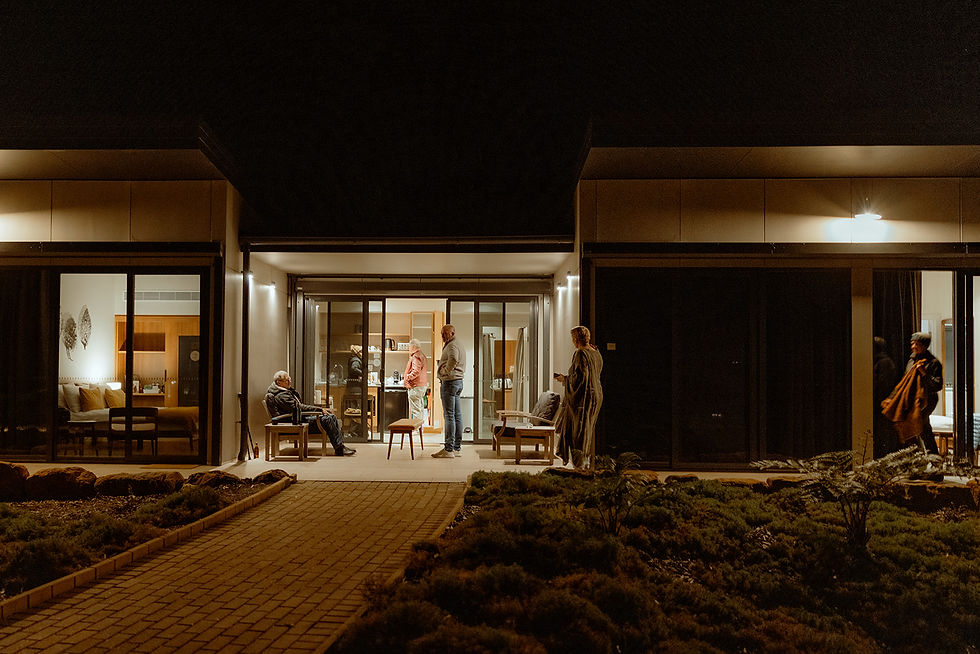

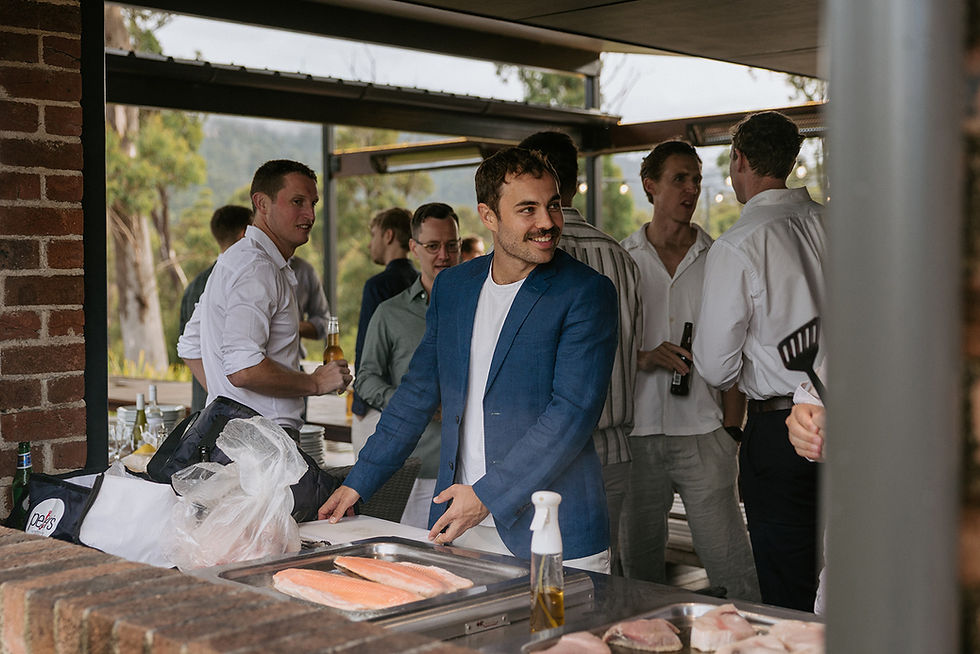


Enjoy a 3 Day, 2 Night Wedding Festival
Not just a few fleeting hours, but an immersive experience with your loved ones. Three days to celebrate and create memories that last a lifetime.

100 Private & Exclusive Acres
At KVBR, it is just your guests and the beauty of the bush. With space for up to 64 to stay onsite, plus more in the camping area you will be surrounded by loved ones throughout your celebration.

The Place
to Celebrate
With BYO flexibility and no curfew, your celebration continues under the stars, sharing stories and laughter around the fire with the people you love most.