

Outdoor, Nature & Wilderness Weddings:
How to Choose a Wedding That Feels Immersive, Relaxed and Right for You

For couples drawn to an outdoor, nature-led or wilderness-style wedding, this guide explains how to choose the right format, venue and level of outdoor immersion, and so balancing atmosphere, guest comfort, weather resilience, accommodation and the kind of experience the setting can genuinely support.
In this guide
-
What outdoor, nature-led and wilderness weddings really are
-
The difference between scenic and truly outdoor-ready venues
-
The main archetypes of outdoor weddings
-
What actually makes an outdoor wedding work
-
How guest comfort changes the experience
-
Why accommodation often matters more than couples first expect
-
One-day versus stay-based outdoor wedding formats
-
The biggest mistakes couples make in outdoor wedding planning
-
A practical decision framework for choosing the right kind of outdoor wedding
There is a reason so many couples are drawn to outdoor weddings.
It is rarely just about photographs.
Nature matters because it changes how we experience a moment, lowering stress, sharpening presence and expanding our sense of connection, which is why life’s most important ceremonies often feel more profound, communal and memorable when held outdoors rather than inside.
It is often about a feeling that is much harder to create inside a conventional event space:
-
more openness
-
more atmosphere
-
more presence
-
more connection to place
-
and a stronger sense that the wedding belongs to a real environment, not just a hired room
For some couples, that means:
-
open sky
-
bushland
-
paddocks
-
gardens
-
escarpments
-
valleys
-
forests
-
or a ceremony site that feels genuinely embedded in nature
For others, it is less about being fully outdoors and more about wanting the wedding to feel:
-
less enclosed
-
less formal
-
less transactional
-
and more grounded in landscape, light, weather, and place
That instinct is often right.
The best outdoor, nature-led and wilderness weddings can feel:
-
deeply atmospheric
-
emotionally rich
-
more memorable than more conventional formats
-
and more connected to the people and place around them
But they are also one of the easiest wedding categories to romanticise badly.
Because “outdoor” is not one thing.
A wedding can be:
-
outdoors but not nature-led
-
scenic but not outdoor-ready
-
beautiful in photographs but difficult to inhabit
-
immersive for the couple but uncomfortable for guests
-
or full of natural promise but operationally fragile in reality
That is why a truly useful guide on outdoor weddings needs to go well beyond:
-
mood
-
styling
-
and inspiration
It needs to help couples understand what they are actually choosing.
This guide is designed to do exactly that.
By the end, you should feel clearer on:
-
what kind of outdoor wedding experience you are actually drawn to
-
the difference between outdoor, nature-led and wilderness formats
-
what makes an outdoor wedding work beautifully in practice
-
how guest comfort and accommodation affect the outcome
-
and how to choose a venue and structure that deliver the atmosphere you want without creating more fragility than the day can carry
Quick answer: what makes an outdoor, nature-led or wilderness wedding actually work?
An outdoor wedding works best when the setting adds genuine atmosphere and emotional value, while the venue, format and planning are strong enough to carry guest comfort, weather resilience, movement, timing and flow without visible strain.
That means the best outdoor weddings are rarely just:
-
beautiful locations
-
open ceremony sites
-
or dramatic natural backdrops
They are usually combinations of:
-
meaningful landscape
-
strong venue readiness
-
guest-aware design
-
realistic weather logic
-
and a format that suits how the setting actually works
In practical terms, a strong outdoor wedding usually needs:
-
a site that is beautiful and usable
-
a clear approach to shade, shelter, terrain and sound
-
a format that suits the level of outdoor exposure
-
guest comfort built in from the start
-
and often, in regional settings, accommodation that reduces arrival and departure stress
The real goal is not simply:
“Can we get married outdoors?”
It is:
“Can this outdoor setting carry the kind of wedding we want in a way that still feels easy and grounded on the day?”
Outdoor vs nature-led vs wilderness weddings
One of the biggest reasons couples get confused in this territory is that these terms are often treated as interchangeable.
They are not.
Outdoor wedding
An outdoor wedding is any wedding where one or more core parts of the celebration take place outside.
That might mean:
-
an outdoor ceremony
-
outdoor drinks
-
an open-air reception
-
or an indoor celebration attached to an outdoor landscape
This is the broadest category.
Nature-led wedding
A nature-led wedding is one where the landscape is not just a backdrop, but a meaningful part of the emotional experience.
The place shapes:
-
the atmosphere
-
the pace
-
the tone
-
and often the format
Nature-led weddings usually care about:
-
connection to environment
-
sensory atmosphere
-
a stronger sense of place
-
and more than just outdoor exposure
Wilderness wedding
A wilderness wedding is a more immersive and less domesticated version of a nature-led wedding.
It usually implies:
-
stronger landscape presence
-
less formal polish
-
more seclusion
-
and a setting that feels further from ordinary event infrastructure
Wilderness does not mean unsafe, remote in a careless sense, or impractical by default.
But it usually does mean the venue must be even more deliberate about comfort, usability and resilience.
Scenic Wedding
A scenic wedding is not necessarily an outdoor wedding category at all. It simply means the location looks beautiful.
A venue can be scenic without being:
-
usable
-
guest-friendly
-
outdoor-ready
-
or capable of carrying an immersive natural experience well
Outdoor vs nature-led vs wilderness weddings
Type | What it Usually Means | What it Often Prioritises | Main Watchout |
|---|---|---|---|
Scenic wedding | The place looks beautiful | Visual appeal | Beauty alone does not make it outdoor-ready |
Nature-led wedding | The landscape shapes the whole feel | Place, atmosphere, grounding, sensory experience | Needs the format and venue to support the promise |
Outdoor wedding | One or more core elements happen outside | Openness, light, fresh-air setting | Can be superficially outdoor without deeper atmosphere or readiness |
This distinction matters because couples often say:
“we want an outdoor wedding”
when what they really mean is:
“we want it to feel immersed in nature”
or
“we want it to feel open and grounded”
or
“we want the setting to do emotional work”
Those are different ambitions, and they need different kinds of venues and formats.
Why couples are drawn to this kind of wedding
Outdoor and nature-led weddings are rarely attractive only because they are visually appealing.
They usually speak to a deeper instinct.
A stronger sense of place
Many couples do not just want a beautiful venue. They want the wedding to feel rooted in somewhere real.
A landscape can create:
-
scale
-
intimacy
-
privacy
-
softness
-
drama
-
stillness
-
or a feeling of departure from everyday life
in a way conventional event rooms often cannot.
More emotional atmosphere
Nature changes the emotional texture of a wedding.
Light, air, weather, sound, terrain, horizon, trees, bushland, rock, water, or open sky all change how the wedding feels in the body, not just how it looks in photographs.
Less event-box feeling
Couples are often drawn to outdoor or nature-led weddings because they do not want the celebration to feel:
-
enclosed
-
procedural
-
overly conventional
-
or detached from place
Stronger symbolism
For some couples, nature also carries symbolic weight:
-
freedom
-
grounding
-
openness
-
a sense of beginning
-
a feeling of timelessness
-
or a connection to the place where they actually want to gather the people they love
Better fit for shared-experience formats
Outdoor and nature-led weddings often work especially well when the goal is not just a ceremony and reception, but a broader shared experience.
That is where:
-
accommodation
-
landscape
-
slower pace
-
and multi-part formats
can become especially powerful.
This is why outdoor weddings are often less about “being outside” than about wanting the wedding to feel more emotionally grounded and alive.
We are drawn to mark life’s biggest moments in nature because natural settings tend to quiet stress, restore attention, and deepen our sense of connection, making people less scattered, less defended, and more able to fully register a moment, and creating the kind of presence in which a ceremony feels not just observed, but genuinely felt.
The main archetypes of outdoor weddings
And why they feel completely different
Not all outdoor weddings are trying to do the same thing.
Understanding the main archetypes helps couples stop comparing unlike with unlike.
1. The garden wedding

This is usually the most domesticated version of an outdoor wedding.
It often features:
-
landscaped beauty
-
softer movement and terrain
-
strong visual polish
-
and a fairly easy bridge between outdoors and formal event structure
Best for
-
couples wanting outdoor softness without ruggedness
-
more traditional formats with outdoor ceremony value
-
guest groups needing stronger ease and accessibility
Watchouts
-
can become more scenic than immersive
-
may feel more styled than place-led depending on venue
2. The meadow or paddock wedding

This usually creates a stronger sense of openness and rural atmosphere.
It can feel:
-
expansive
-
sunlit
-
open-air
-
and naturally celebratory
Best for
-
couples drawn to open space
-
relaxed country energy
-
less formal visual language
Watchouts
-
exposure to heat, wind and weather
-
weak ceremony comfort if shade and sound are poor
-
can feel under-supported if the venue relies too heavily on the landscape alone
3. The bushland or valley retreat wedding

This is often where outdoor weddings become more experience-led.
It typically combines:
-
natural immersion
-
privacy
-
regional destination feel
-
and the possibility of accommodation-led formats
Best for
-
couples wanting atmosphere and shared time
-
stay-on-site or destination-style weddings
-
stronger place-led wedding identity
Watchouts
-
guest comfort must be carefully designed
-
weather logic matters
-
movement between spaces must feel easy, not scattered
4. The lookout, cliff or dramatic landscape wedding

These weddings prioritise strong scenic presence and emotional spectacle.
Best for
-
couples drawn to dramatic scenery
-
high visual impact
-
landscape as a major part of the ceremony experience
Watchouts
-
scenic sites are often the most misread
-
access, wind, safety, sound and guest comfort can all be weaker than the photos suggest
-
these settings often work best as part of a broader, well-supported venue format rather than as isolated ceremony ideas
5. The forest or enclosed nature wedding

These settings can feel:
-
intimate
-
atmospheric
-
shaded
-
and deeply nature-led
Best for
-
couples wanting softness, immersion and a contained natural feel
-
weddings where atmosphere matters more than big horizon views
Watchouts
-
ground conditions
-
sound and visibility
-
weather and light
-
guest movement
6. The outdoor ceremony + indoor celebration wedding

This is one of the strongest and most versatile archetypes.
It gives couples:
-
the emotional atmosphere of an outdoor ceremony
-
with the comfort and operational reliability of a sheltered reception environment
Best for
-
couples wanting outdoor meaning without full-format exposure
-
mixed-age guest groups
-
weather-sensitive weddings
Watchouts
-
the transition between spaces must feel smooth
-
the indoor element should still support the tone of the outdoor ceremony
7. The fully outdoor multi-part wedding

This is the most immersive and most fragile archetype unless the venue is exceptionally well designed.
Best for
-
very strong venue infrastructure
-
guests likely to enjoy extended outdoor experience
-
highly weather-resilient formats
Watchouts
-
exposure accumulates over time
-
guest fatigue rises quickly if comfort is weak
-
requires serious readiness, not just bold intention
Outdoor wedding archetypes compared
Archetype | Best For | Strengths | Main Watchouts |
|---|---|---|---|
Garden wedding | Soft outdoor elegance | Ease, beauty, familiar comfort | Can feel more decorative than immersive |
Meadow / paddock wedding | Open country atmosphere | Space, light, relaxed energy | Exposure, sound, shade, heat |
Bushland / valley retreat | Immersive destination weddings | Privacy, atmosphere, shared experience | Needs strong flow, accommodation and comfort logic |
Lookout / cliff setting | Dramatic ceremony experience | Scenic power, emotional intensity | Often misread for usability |
Forest / enclosed nature | Intimate nature-led atmosphere | Shade, softness, immersion | Terrain, light, visibility, access |
Outdoor ceremony + indoor celebration | Balanced outdoor format | Atmosphere plus resilience | Transition quality matters |
Fully outdoor multi-part | Maximum immersion | Strong place-led identity | Most operationally demanding |
What makes an outdoor wedding actually work
This is the section many couples need most.
Because the difference between an extraordinary outdoor wedding and a stressful or thin one is usually not intention. It is readiness
1. Usable ceremony design

A ceremony site should not only be beautiful. It should also support:
-
sightlines
-
audibility
-
access
-
seating comfort
-
heat or weather management
-
ease of entry and exit
A lot of scenic sites fail here.
2. Weather resilience
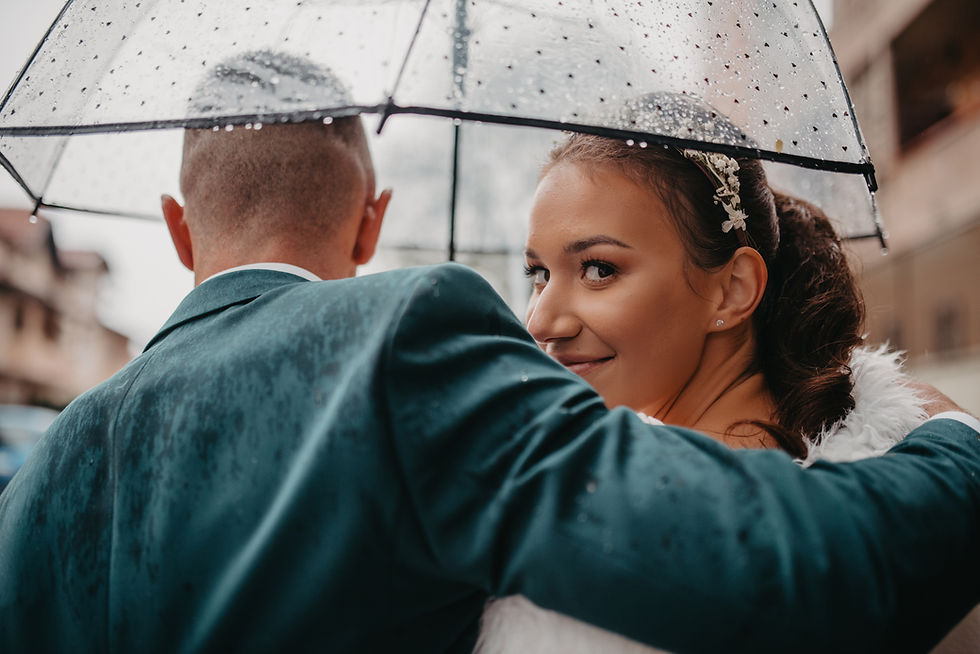
Weather resilience is not the same as “having a backup somewhere”.
A true outdoor-ready venue needs:
-
a credible, emotionally coherent fallback
-
enough shelter or adaptive options
-
comfort in wind, heat or cold
-
and a backup that does not make the wedding feel second-rate
3. Terrain and movement

Guests need to move through the day without:
-
confusion
-
strain
-
awkward transitions
-
or a growing sense that they are working too hard to be there
Terrain should be judged through the lens of:
-
heels and footwear
-
older guests
-
children
-
darkness
-
post-dinner movement
-
bathroom access
-
and weather changes
4. Sound and visibility

Open-air weddings often underestimate:
-
how sound carries
-
how wind interferes
-
how guests hear vows
-
and how ceremony shape affects engagement
A visually beautiful site can still feel emotionally distant if people cannot properly hear or see the key moments.
5. Heat, cold, wind and exposure
.jpg)
Exposure accumulates.
An outdoor wedding that is pleasant for 20 minutes may become tiring over 4 or 6 hours unless the format changes or comfort support is excellent.
7. Night logic

Outdoor weddings feel very different once the light changes.
You need to think through:
-
lighting
-
temperature drop
-
movement in darkness
-
how guests find their way
-
and whether the evening still feels inviting rather than exposed or makeshift
6. Transitions and recovery

The more outdoor exposure the wedding has, the more important it becomes to think about:
-
where people reset
-
when they cool down or warm up
-
how they sit and recover
-
how the ceremony flows into the next stage
-
and how the energy of the event keeps building rather than draining
The practical foundations of a strong outdoor wedding

-
Ceremony site that is beautiful and usable
-
Credible weather fallback
-
Comfort built in, not improvised later
-
Easy movement between moments
-
Good sound, sightlines and access
-
Shelter, amenities and recovery points
-
A format that matches the level of outdoor exposure
Outdoor-ready vs merely scenic
This is one of the most important distinctions in the whole guide.
A venue can be scenic without being outdoor-ready.
A scenic venue gives you:
-
views
-
landscape
-
visual appeal
-
dream-like photography
An outdoor-ready venue gives you:
-
views and usability
-
atmosphere and comfort
-
openness and resilience
-
beauty and operational strength
An immersive outdoor venue goes one step further. It makes the outdoor setting central to the whole experience, not just one attractive moment.
Scenic vs outdoor-ready vs immersive
Type | What it Gives You | What It Often Lacks |
|---|---|---|
Outdoor-ready | Usability, comfort, fallback logic, smoother guest experience | Sometimes less visual drama, depending on venue |
A useful test
Ask:
-
Can this venue carry our ceremony beautifully if the weather shifts?
-
Can older guests be comfortable here?
-
Will the site still feel good after 45 minutes, not just after 5?
-
Does this venue make outdoor experience easy, or simply possible?
Use the Outdoor Readiness Checklist to assess whether a venue is genuinely outdoor-ready or simply visually compelling.

What guest experience looks like in outdoor formats
Outdoor weddings often feel meaningful and generous when designed well. They can also become subtly excluding or tiring if guest experience is treated as secondary.
What guests usually notice first
-
arrival ease
-
where they sit or stand
-
whether they are too hot, cold or exposed
-
whether they know where to go next
-
whether the venue feels welcoming or effortful
Guest comfort matters more outdoors
In outdoor formats, discomfort becomes visible faster.
Guests notice:
-
lack of shade
-
wet ground
-
hard seating
-
wind
-
unclear walking paths
-
long distances between spaces
-
lack of shelter
-
bathroom inconvenience
-
insufficient lighting after dark
Mixed-age guest groups need more thought
Outdoor weddings can still work beautifully for:
-
older relatives
-
families with children
-
mixed mobility groups
But only when the venue and format have thought about them early.
Guest comfort is part of atmosphere
An outdoor wedding does not become less beautiful because comfort is designed in.
Usually, the opposite is true.
When guests are comfortable:
-
the mood holds longer
-
social energy improves
-
people relax
-
and the place can actually be enjoyed
Guest suitability matrix
Wedding Guest Type | Lower-Risk Outdoor Format | Hisher-Risk Outdoor format |
|---|---|---|
Mixed-age guest list | Outdoor-ready venue with comfort infrastructure | Scenic-only site with high exposure |
City guests travelling in | Stay-nearby or on-site accommodation | Long same-day travel + full outdoor exposure |
Families with children | Stay-based venue with easy recovery spaces | Fragmented venue, limited shelter, hard timing |
Older relatives | Garden / outdoor ceremony + indoor celebration | Long exposed paths, uneven terrain, all-day outdoor format |
Why accommodation changes outdoor weddings
Accommodation matters in many weddings. In outdoor weddings, it often matters even more.
It reduces travel pressure
Outdoor weddings already ask guests to carry more sensory and practical input. Travel strain on top of that can make the day feel heavier than it should.
It improves recovery and comfort
Guests can:
-
arrive earlier
-
rest
-
change
-
layer clothing
-
reset after weather exposure
-
and leave the evening gently rather than under transport pressure
It strengthens shared experience
Outdoor weddings often become most memorable when they feel:
-
immersed
-
place-led
-
and socially connected
Accommodation helps all three.
It supports the best outdoor formats
Some of the strongest nature-led weddings are not just “outdoor weddings”. They are:
-
stay-based
-
shared-experience
-
regionally grounded
-
and less compressed
Accommodation is often what makes that possible.
Why outdoor weddings often work better with staying close by
-
Lower arrival stress
-
Easier temperature and clothing management
-
Less late-night transport pressure
-
More room for shared time
-
Better fit for destination-style outdoor formats
-
Stronger emotional use of the landscape and setting
One-day outdoor wedding vs stay-based outdoor wedding
This is one of the most useful comparisons for couples deciding how ambitious their outdoor format should be.
One-day outdoor wedding
This can work beautifully when:
-
the ceremony is the main outdoor moment
-
the reception has shelter or indoor strength
-
guest travel is manageable
-
and the venue flow is excellent
Strengths
-
simpler
-
less accommodation dependence
-
lower overall sprawl
-
easier for local or broadly distributed guest lists
Risks
-
compression
-
arrival pressure
-
less time to inhabit the landscape
-
more reliance on everything working well within one day
One-day vs stay-based outdoor wedding
Format | Best For | Main Strengths | Main Watchouts |
|---|---|---|---|
Stay-based outdoor | Immersive and nature-led shared experience | Atmosphere, connection, destination value | Needs strong accommodation and format discipline |
One-day outdoor | Local or simpler outdoor weddings | Clearer structure, less sprawl, easier to contain | Can feel compressed |
Stay-based outdoor wedding
This format often works best when:
-
the place itself is a big part of the appeal
-
accommodation is integrated
-
guest connection matters deeply
-
and the couple wants atmosphere plus experience, not just ceremony plus reception
Strengths
-
stronger sense of place
-
calmer arrival and departure
-
more shared time
-
more emotionally spacious use of the environment
Risks
-
requires stronger venue and accommodation logic
-
can become over-programmed if not restrained
-
works best with a guest group likely to lean into the format
Common mistakes couples make with outdoor weddings
Outdoor weddings are often misjudged in very consistent ways.
1. Choosing for imagery only
The site looks extraordinary in still photos, but the actual guest experience is thin, exposed, or awkward.
2. Confusing beautiful with usable
Scenery does not equal readiness.
3. Treating the weather fallback as symbolic
A fallback only works if it still carries emotional credibility.
4. Underestimating guest comfort
Comfort is not the enemy of atmosphere. It is one of the conditions that lets atmosphere survive.
5. Over-romanticising “wilderness”
Raw landscape energy can be beautiful, but it needs support. Otherwise the wedding becomes harder than it feels.
6. Ignoring how much accommodation affects the format
Many outdoor weddings become better not because the ceremony is prettier, but because the accommodation and shared-time logic are stronger.
7. Trying to force full outdoor exposure across the whole celebration
Not every part of the wedding needs to happen outside for the wedding to feel deeply outdoor and place-led
Outdoor wedding planning scenarios
Scenario 1: The couple who want outdoor meaning without high guest friction
They care most about:
-
ceremony atmosphere
-
natural setting
-
broad guest ease
Best fit is often:
-
outdoor ceremony
-
strong indoor or sheltered reception
-
credible weather plan
-
nearby or on-site accommodation where possible
Scenario 2: The couple who want immersive bushland retreat energy
They care most about:
-
atmosphere
-
privacy
-
staying together
-
shared experience
Best fit is often:
-
valley or bushland retreat setting
-
integrated accommodation
-
welcome-evening or overnight logic
-
venue with strong movement, comfort and weather resilience
Scenario 3: The couple with many Sydney guests and older relatives
They care most about:
-
emotional landscape value
-
without making the day hard for guests
Best fit is often:
-
outdoor-ready rather than wilderness-heavy venue
-
easier terrain
-
stronger comfort infrastructure
-
accommodation that softens the travel burden
Scenario 4: The couple who want “nature” but not fragility
They care most about:
-
real place
-
but also ease and low stress
Best fit is often:
-
nature-led venue with strong indoor or sheltered integration
-
clearly usable ceremony site
-
flexible all-weather flow
-
less emphasis on rawness, more on atmosphere plus readiness
A simple outdoor wedding decision framework
Use this to judge whether the outdoor format you are considering is actually the right one.
Category | What to Assess | Better Question | Main Watchouts |
|---|---|---|---|
Couple fit | What you are really drawn to | Do we want openness, nature, immersion, or just scenic beauty? | Can feel more decorative than immersive |
Venue readiness | Usability and resilience | Is this venue outdoor-ready, or just visually strong? | Exposure, sound, shade, heat |
Guest suitability | Comfort and access for the people attending | Will guests feel included and at ease here? | Needs strong flow, accommodation and comfort logic |
Format fit | One-day vs stay-based logic | Does this type of outdoor wedding suit the structure we want? | Often misread for usability |
Weather resilience | Backup credibility and exposure management | Can the day still feel good if conditions shift? | Terrain, light, visibility, access |
Accommodation | Travel relief and shared-time value | Does staying nearby meaningfully improve the experience? | Transition quality matters |
Overall fit | Emotional and practical alignment | Is this the right kind of outdoor wedding for us in real terms? | Most operationally demanding |
Download the Outdoor Readiness Checklist to assess ceremony sites, comfort, flow, weather resilience and guest usability before you commit to an outdoor venue.
A quick outdoor suitability test
You are probably moving toward the right format if:
-
the setting adds more than just visual beauty
-
the venue is truly usable, not just scenic
-
guest comfort has been designed in
-
the weather plan feels credible
-
accommodation or travel logic supports the level of outdoor exposure
-
the structure suits the kind of atmosphere you want
Frequently asked questions
Are outdoor weddings more expensive?
Are outdoor weddings risky?
What should we prioritise first?
Is accommodation really that important?
Is an outdoor wedding always the best option?
What is the difference between an outdoor wedding and a nature-led wedding?
What makes an outdoor wedding venue actually good?
Are wilderness weddings practical?
Do outdoor weddings work for older guests?
Is an outdoor ceremony with an indoor reception a compromise?
Does accommodation matter more for outdoor weddings?
What is the biggest mistake couples make with outdoor weddings?
Final thought
The best outdoor, nature-led and wilderness weddings do not feel powerful just because they happen outside.
They feel powerful because the place, the people, and the structure of the day work together.
That usually means:
-
a setting with real emotional value
-
a venue that is genuinely outdoor-ready
-
a format that fits the level of immersion you want
-
comfort and guest care built in from the start
-
and, often, accommodation or stay logic that lets the landscape become part of a fuller experience rather than a beautiful but fleeting backdrop
That is what turns outdoor weddings from:
-
picturesque ideas
into:
-
deeply memorable celebrations
If you are deciding now, one of the most useful questions you can ask is:
Do we want a wedding that merely looks beautiful outdoors, or one that actually works beautifully in an outdoor setting?
That question sharpens the choice very quickly.
.jpg)


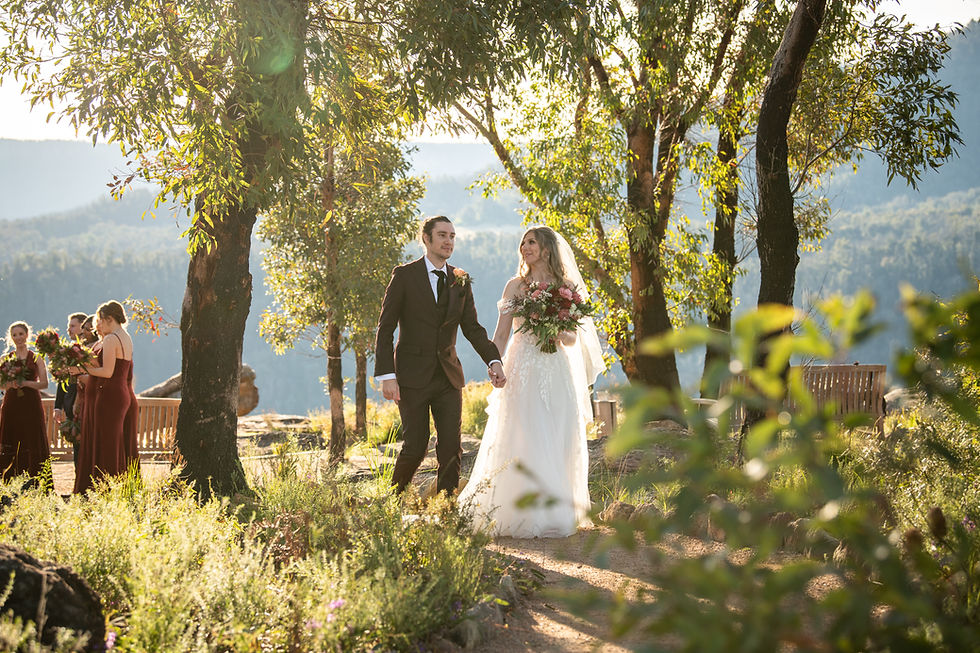

Enjoy a 3 Day, 2 Night Wedding Festival
Not just a few fleeting hours, but an immersive experience with your loved ones. Three days to celebrate and create memories that last a lifetime.

100 Private & Exclusive Acres
At KVBR, it is just your guests and the beauty of the bush. With space for up to 64 to stay onsite, plus more in the camping area you will be surrounded by loved ones throughout your celebration.

The Place
to Celebrate
With BYO flexibility and no curfew, your celebration continues under the stars, sharing stories and laughter around the fire with the people you love most.