

A quick venue-fit test
FAQ's
How to Choose the Right Wedding Venue:

A Practical Guide to Finding the Place That Actually Fits Your Wedding
If you’re trying to choose the right wedding venue, this guide will help you make the decision more clearly and confidently by comparing venue types, guest experience, accommodation, privacy, flow, logistics, and overall fit, not just price or appearance.
In this guide
-
Why venue choice shapes more than most couples first realise
-
How to start with the wedding you want, not the shortlist you happen to have
-
The main wedding venue archetypes and what each one is best at
-
The seven most important filters for choosing well
-
The trade-offs that matter most in real life
-
What couples most often get wrong when comparing venues
-
Venue regret patterns and how to avoid them
-
How to match venue type to wedding type
-
A simple venue decision framework you can actually use
Choosing a wedding venue often feels like the biggest planning decision, and in many ways it is.
Not because every other choice stops mattering once the venue is booked.
But because the venue choice shapes almost everything else:
-
what kind of day is realistic
-
how guests will experience it
-
how much pressure the timeline will carry
-
how easy or hard the logistics become
-
whether the atmosphere feels natural or highly manufactured
-
how much styling you need
-
whether accommodation matters
-
how private the wedding feels
-
how resilient the day is if conditions change
That is why venue choice can feel so high stakes.
A venue is not just a place to hold the wedding.
It is the framework the whole wedding sits inside.
And this is where many couples get stuck.
Because venues are often compared through the least useful possible filters:
-
which one looks nicest first
-
which one feels most exciting on the tour
-
which one sounds best on paper
-
which one has the lowest visible price
-
or which one appears in the most venue roundups
Those things can all be part of the decision.
But none of them is enough on its own.
The real question is not:
Which venue do we like most in the abstract?
It is:
Which venue best supports the kind of wedding we want to create, the kind of guest experience we care about, and the amount of complexity we are willing to carry?
This guide is designed to help you answer that properly.
By the end, you should feel clearer on:
-
what kind of venue you are really looking for
-
the main venue archetypes and who they suit
-
how to compare venues through fit, flow, comfort, privacy, accommodation and value
-
what venue mistakes couples often discover too late
-
and how to choose a venue that is not just attractive, but genuinely right for your wedding
Quick answer: how do you choose the right wedding venue?
The best way to choose the right wedding venue is to start with the kind of wedding you want to create, then compare venues based on fit, guest experience, logistics, flow, accommodation, privacy, and overall value, not just price or appearance.
In practical terms, that means asking:
-
What kind of wedding do we actually want this to become?
-
What kind of guest experience matters most to us?
-
How much privacy, atmosphere, and place-value do we want?
-
Does this venue make the day easier or harder to run well?
-
What does this venue simplify, and what does it leave us to solve elsewhere?
-
Does the venue fit our format, or are we trying to force it into something it does not naturally support?
A strong venue is rarely just the prettiest one.
It is the one that:
-
carries the day well
-
reduces invisible pressure
-
supports the feeling you want
-
and makes the whole wedding easier to inhabit for both you and your guests
Why venue choice matters more than many couples first realise
There are some wedding choices you can adjust later without changing the whole shape of the day.
Venue is not usually one of them.
That is because the venue influences:
Atmosphere

Some venues naturally create:
-
warmth
-
privacy
-
openness
-
calm
-
grandeur
-
softness
-
or destination feeling
Others need much more styling or programming to create a mood.
Guest experience

A venue affects:
-
comfort
-
travel
-
ease of arrival
-
how people move through the day
-
whether they stay nearby
-
whether the celebration feels easy or effortful
Logistics

The venue influences:
-
setup complexity
-
supplier ease
-
movement between moments
-
weather resilience
-
timing pressure
-
and hidden costs
Format

Some venues naturally suit:
-
elegant one-day weddings
-
others suit stay-on-site destination weddings
-
others suit outdoor formats
-
others suit structured city-style events
A venue may be beautiful but wrong for the format you actually want.
Value

A venue fee never reflects only the space itself.
It often reflects:
-
how much the venue gives you
-
how much complexity it removes
-
how much extra work it prevents
-
and how strongly it supports the experience
This is why venue choice deserves a more thoughtful process than most couples initially give.
Start with the wedding, not the shortlist
Before comparing specific venues, it helps to step back and clarify what kind of wedding you are actually trying to create.
Many venue mistakes begin because couples start with:
-
a saved Instagram post
-
a venue list
-
a friend’s wedding
-
or a set of venue names that all “look good”
That creates a weak starting point.
A stronger starting point is:
1. What do we want the wedding to feel like?
Do you want it to feel:
-
relaxed
-
polished
-
immersive
-
social
-
private
-
place-led
-
elegant
-
outdoorsy
-
destination-like
-
warm and family-centred
2. What kind of guest experience do we want?
Do you want:
-
ease and accessibility
-
shared accommodation
-
an atmosphere that feels like a getaway
-
a clear one-day structure
-
minimal travel burden
-
more time together
3. What kind of format are we actually imagining?
For example:
-
one-day wedding
-
one-day wedding with overnight stay
-
destination-style regional wedding
-
stay-on-site wedding
-
outdoor ceremony with sheltered reception
-
shared-experience wedding weekend
4. What kind of trade-offs are we willing to make?
For example:
-
more travel for better atmosphere
-
more privacy for less venue variety
-
higher fee for stronger value
-
less visual drama for greater guest ease
5. What will matter most if the day is not perfect?
This is a surprisingly useful question.
If something shifts, will you care most about:
-
atmosphere holding
-
guests being comfortable
-
the ceremony still feeling meaningful
-
the day still flowing well
-
the venue still being emotionally right
Those answers help reveal what the venue actually needs to do.
The main wedding venue archetypes
One of the most useful ways to compare venues well is to compare them as archetypes, not just as individual names.
Different venue types naturally create different kinds of weddings.
1. City reception-led venue

This venue type is often strongest for:
-
polished city weddings
-
contained one-day event formats
-
guest lists who are largely local
-
couples wanting efficiency and urban ease
What it usually does well
-
strong operational structure
-
ease of supplier access
-
lower travel burden
-
formal event clarity
What it may struggle with
-
privacy
-
destination feel
-
stronger sense of place
-
accommodation-led shared experience
Best for
Couples prioritising ease, city convenience, and a classic one-day structure.
2. Hotel or function-style venue
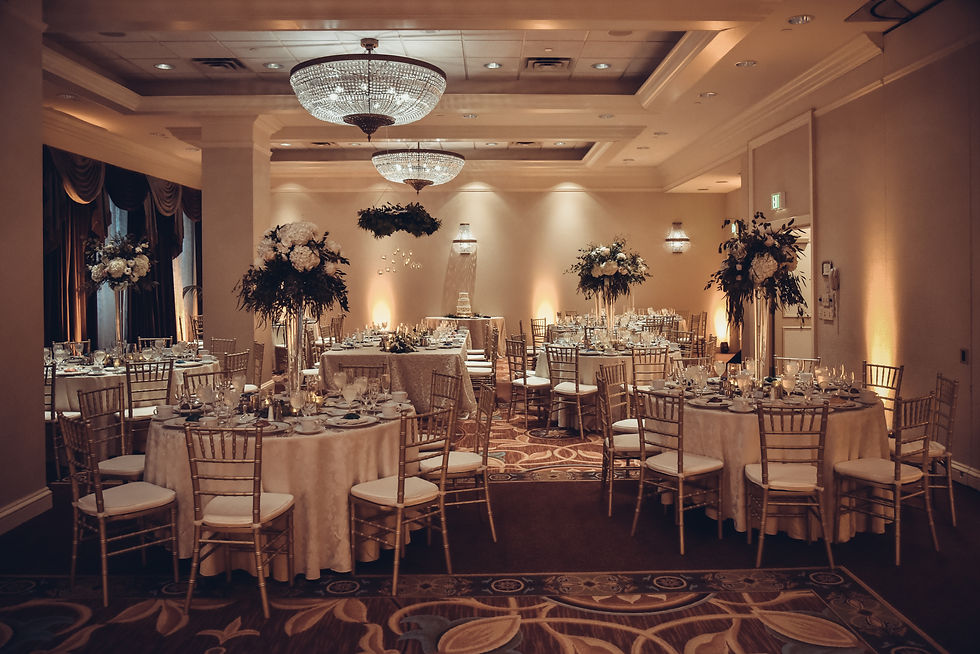
This is often a highly packaged, operationally clear venue type.
What it usually does well
-
convenience
-
accommodation on hand
-
all-in-one structure
-
staffing and event systems
What it may struggle with
-
personality
-
exclusivity
-
place-led atmosphere
-
a sense that the wedding is truly inhabiting the venue rather than slotting into it
Best for
Couples prioritising convenience, accommodation, and predictable structure.
3. Highlands estate or refined regional venue

This type often suits couples looking for:
-
elegant regional atmosphere
-
garden or estate feel
-
polished but non-urban setting
-
broader regional recognisability
What it usually does well
-
beauty
-
polish
-
strong ceremony/reception aesthetics
-
softer regional destination feel
What it may struggle with
-
privacy consistency
-
immersive shared-experience logic
-
accommodation integration, depending on the venue
Best for
Couples looking for a polished regional wedding with a strong visual and social appeal
4. Outdoor nature-led venue

This venue type often centres:
-
ceremony meaning
-
landscape
-
openness
-
and emotional connection to place
What it usually does well
-
atmosphere
-
setting-led identity
-
memorable ceremonies
-
stronger emotional distinctiveness
What it may struggle with
-
weather resilience
-
guest comfort
-
sound and movement
-
fragility if poorly designed
Best for
Couples prioritising nature, openness, and setting-led atmosphere.
5. Exclusive-use private venue

This type is often strongest where privacy, control, and atmosphere matter a great deal.
What it usually does well
-
privacy
-
stronger emotional ownership of the space
-
less interruption
-
more coherent atmosphere
-
more immersive guest experience
What it may struggle with
-
accommodation, depending on the model
-
access to broader infrastructure if the venue is isolated
Best for
Couples wanting the wedding to feel fully theirs, not shared with the public or other events.
6. Stay-on-site retreat venue

This is one of the most powerful venue types for shared-experience weddings.
What it usually does well
-
accommodation-led connection
-
destination feel
-
stronger guest cohesion
-
time together
-
place-led memory
-
smoother arrival and departure logic
What it may struggle with
-
suitability for all guest mixes
-
format sprawl if poorly structured
-
price or guest-capacity tension
-
over-programming if the couple tries to “fill” the whole stay
Best for
Couples who are looking for a destination-style and immersive wedding, and spending quality time with loved ones.
7. Coastal destination venue

This often suits couples who want:
-
scenic destination energy
-
open atmosphere
-
and a wedding that feels slightly holiday-like
What it usually does well
-
destination appeal
-
guest excitement
-
strong visual identity
-
relaxed mood
What it may struggle with
-
seasonal traffic
-
fragmented accommodation
-
exposure
-
variable privacy and weather conditions
Best for:
Couples drawn to water, openness, and a lighter destination feel.
8. Hybrid venue with strong contingency logic

This type may include:
-
outdoor ceremony options
-
indoor fallback strength
-
accommodation or nearby stay options
-
and well-designed transitions between spaces
What it usually does well
-
balance
-
resilience
-
flexibility
-
guest comfort
-
lower fragility
What it may struggle with
-
sometimes less dramatic identity than a more singular venue type
-
may feel more “sensible” than emotionally extreme
Best for:
Couples who want atmosphere without high fragility.
Venue Archetypes compared
Venue Type | Best For | Strengths | Watchouts |
|---|---|---|---|
City Reception-led | Urban one-day weddings | Convenience, operational ease | Less privacy & destination feel |
Hotel / Function venue | Packaged ease | Accommodation, clarity, staffing | Can feel less distinctive or private |
Highlands / refined regional | Elegant regional weddings | Polish, scenery, recognisable regional appeal | Varies in privacy & immersion |
Outdoor nature-led | Setting-led weddings | Atmosphere, emotional ceremony value | Weather, comfort, usability matters hugely |
Exclusive-use private venue | Privacy-led weddings | Atmosphere, control, ownership of space | Price and infrastructure vary |
Stay-on-site retreat | Shared-experience weddings | Connection, accommodation, destination logic | Needs good format discipline |
Coastal destination | Relaxed scenic weddings | Holiday energy, visual appeal | Traffic, exposure, stay fragmentation |
Hybrid resilient venue | Balanced Weddings | Flexibility, weather strength, guest ease | Less singular identity at times |
The seven most important decision filters
Once you understand the venue archetypes, the next step is to compare them through the filters that actually matter.
1. Fit
Does this venue suit the wedding you want, or are you trying to force it into a format it does not naturally support?
2. Guest Experience
How easy will the day feel for your guests?
3. Logistics
How much visible or invisible complexity does this venue create?
4. Flow
Will the wedding unfold naturally, or feel stop-start and managed?
5. Accommodation
Does the stay logic help the experience, especially if the wedding is regional or destination-style?
6. Privacy and atmosphere
Will the wedding feel truly yours? Will the venue help create the emotional tone you want?
7. Real value
What does the venue give you in return for the fee, and what does it save you from solving elsewhere?
These seven filters are more useful than:
-
price alone
-
inclusions alone
-
aesthetics alone
-
or popularity alone
They are what help couples choose a venue that actually holds the day well.
What couples usually get wrong about venue choice
A lot of venue disappointment follows very predictable patterns.
Choosing beauty over fit
A venue can be stunning and still wrong for the wedding.
Comparing unlike-for-unlike
Two venues may not be offering the same thing at all, even if the brochure layout makes them look comparable.
Over-trusting package language
“Included” does not always mean:
-
helpful
-
high quality
-
enough
-
or relevant to your actual needs
Underestimating logistics
Suppliers, movement, timing, access, weather, setup, and guest flow matter more than most tours make obvious.
Ignoring guest experience
A venue can feel exciting on a tour but harder for guests to enjoy on the day.
Leaving accommodation logic too late
For regional and destination-style weddings, this can completely alter whether the venue really works.
Confusing exclusivity with emotional ownership
Some venues say “exclusive use”, but the actual atmosphere still feels shared or operationally public.
Assuming cheaper means better value
Cheaper often means some of the real cost is sitting elsewhere.
Beauty, value, privacy, and ease: the real trade-offs
A good venue decision often comes down to trade-offs, not absolutes.
Beauty vs usability
Some venues are visually extraordinary but operationally weak.
A venue that is slightly less dramatic but much more usable may create a much better wedding.
Low fee vs real value
A lower booking fee may come with:
-
more transport
-
more hire
-
more styling pressure
-
more guest discomfort
-
more weather fragility
-
more logistical strain
Value is about what the venue removes as much as what it provides.
Privacy vs convenience
A deeply private venue may require more destination logic.
A highly convenient venue may feel less immersive or emotionally distinct.
Style vs guest ease
Some venues prioritise visual wow at the expense of comfort or flow. Others are gentler visually but much stronger experientially.
Destination feel vs friction
A venue may feel destination-like and emotionally right, but only if the travel and accommodation burden are still reasonable for your guests.
Trade-off matrix
Trade-Off | Better Question |
|---|---|
Destination feel vs friction | Is the lift in atmosphere worth the added effort for our guests? |
Style vs guest ease | Are we choosing how it looks over how it will actually feel? |
Privacy vs convenience | How much does privacy matter to the emotional feel of the wedding? |
Lower fee vs value | What does this venue remove or create elsewhere in the wedding? |
Beauty vs usability | Will this still feel good after three or six hours, not just on first sight? |
This is often where strong decisions are made.
Not by pretending trade-offs do not exist, but by being honest about which ones matter most to you.
Venue regret patterns
One of the most useful ways to evaluate a venue is to ask what couples often discover too late.
Regret pattern 1: “We loved it on the tour, but the day did not flow”
The venue photographed well, but the actual movement between moments felt awkward.
The headline fee looked good, but the total effort and spend rose quickly.
Regret pattern 2: “We chose the cheaper venue and spent the difference elsewhere”
Travel, comfort, access, terrain, or timing took more of a toll than the couple realised.
Regret pattern 3: “It was beautiful, but harder for guests than we expected”
This happens especially with outdoor venues that do not have a genuinely credible backup.
Regret pattern 4: “The weather fallback felt like a different wedding”
Especially common in regional weddings.
Regret pattern 5: “We thought accommodation was a detail, but it changed everything”
This can happen in hotels, shared-site venues, or venues with partial exclusivity.
Regret pattern 6: “It never quite felt like it was ours”
Venue regret warning signs
Regret Pattern | Early Warning Sign |
|---|---|
Weak exclusivity | Shared-site activity still shapes the atmosphere |
Weather fragility | Backup space exists, but clearly does not carry the same feeling |
Guest strain | Difficult travel, terrain, exposure or fragmented accommodation |
Hidden costs | Lots of “optional extras” or obvious gaps in infrastructure |
Weak flow | Hard-to-picture transitions between ceremony, drinks, dinner and night-time |
Venue choice by wedding type
A powerful way to choose more clearly is to match venue type to wedding type.
If you want an elegant one-day wedding
Often best suited to:
-
city reception venues
-
refined regional venues
-
hotels with strong event structure
-
hybrid venues with easy flow
If you want a destination-style regional wedding
Often best suited to:
-
regional private venues
-
accommodation-led venues
-
stay-nearby destinations with strong stay logic
-
valley, highlands or retreat-style settings
If you want an outdoor, place-led wedding
Often best suited to:
-
outdoor-ready nature-led venues
-
hybrid venues with strong fallback
-
accommodation-supported regional settings
If you want privacy and strong emotional ownership
Often best suited to:
-
exclusive-use venues
-
private estates
-
retreat-style venues
-
settings with less visible public presence
If you want a shared-experience wedding
Often best suited to:
-
stay-on-site retreat venues
-
accommodation-led regional venues
-
venues that support welcome-evening or next-day connection
If you want broad guest ease
Often best suited to:
-
easier-access venues
-
lower-movement venues
-
venues with strong comfort and simpler arrival logic
-
one-day or overnight formats rather than sprawling destination models
Wedding type to venue type selector
Wedding Type | Strong Venue Fit |
|---|---|
Guest-ease-first wedding | Easier-access venue with strong flow and comfort |
Privacy-led wedding | Exclusive-use private venue |
Shared-experience wedding | Stay-on-site retreat or strong accommodation-led venue |
Outdoor ceremony-led wedding | Outdoor-ready or hybrid resilient venue |
Destination-style wedding | Regional private, highlands, valley, stay-nearby |
Elegant one-day wedding | City, refined regional, hotel, hybrid |
How to shortlist properly
Many couples shortlist too early on weak grounds.
A better process is to shortlist using structure.
Before touring, ask:
-
What wedding type are we trying to create?
-
Which venue archetypes actually suit that?
-
Which venues appear to match our format, not just our taste?
-
What do we need to know before the visit to avoid wasting time?
What to ask before touring
-
What kind of wedding works especially well here?
-
What kind of wedding does not work as well here?
-
What is included in practice, not just on paper?
-
What does the accommodation logic look like?
-
What happens if weather changes?
-
What do couples most often underestimate here?
What to score after touring
Use a consistent framework:
-
fit
-
guest experience
-
flow
-
comfort
-
privacy
-
accommodation
-
overall value
-
emotional rightness
Shortlist rule
A venue should not stay on the shortlist just because:
-
the tour felt nice
-
the brochure looked polished
-
the planner was persuasive
-
or the photos are strong
It should stay on the shortlist because you can clearly explain:
-
why it suits your wedding
-
why it works for your guests
-
what it simplifies
-
and why its trade-offs are the right ones for you
Use the Venue Tour Question Sheet during visits, then score your serious contenders with the Venue Comparison Scorecard so emotion and clarity can work together, not against each other.
Venue planning scenarios
Scenario 1: Sydney couple wanting elegant, low-fuss, broad guest ease
They want:
-
polish
-
ease
-
strong guest comfort
-
minimal destination burden
Best fit is often:
-
city reception-led venue
-
refined regional venue with easier access
-
hotel or hybrid venue with strong accommodation nearby
Scenario 2: Couple wanting privacy, atmosphere, and shared time
They want:
-
stronger ownership of space
-
destination feel
-
accommodation-led connection
-
less “event slot” energy
Best fit is often:
-
exclusive-use private venue
-
stay-on-site retreat
-
private regional venue with shared-experience logic
Scenario 3: Couple prioritising outdoor atmosphere without fragility
They want:
-
meaningful outdoor ceremony
-
strong landscape value
-
but low weather panic
Best fit is often:
-
outdoor-ready venue with strong fallback
-
hybrid venue with real outdoor emotional value and sheltered reception strength
Scenario 4: Budget-sensitive couple choosing between lower fee and better value
They need:
-
clarity on what the venue is really doing for the wedding
-
not just the sticker price
Best fit is often:
-
venue that reduces hidden costs, guest friction, and logistical strain
-
even if the base fee is somewhat higher
Scenario 5: Couple with many older relatives and travelling guests
They want:
-
strong atmosphere
-
but also real guest ease
Best fit is often:
-
lower-movement venue
-
strong accommodation or nearby stay logic
-
clear arrival, comfort and accessibility strength
Category | What to Assess | Better Question |
|---|---|---|
Overall fit | Emotional and practical confidence | If we choose this, what kind of wedding are we saying yes to? |
Value | Experience gained versus effort added | What are we really getting in return for this fee? |
Privacy / atmosphere | Emotional ownership and tone | Will this feel like our wedding, not just a booking? |
Accommodation | Stay logic and cohesion | Does accommodation meaningfully improve the experience? |
Flow | Ceremony to drinks to dinner to later evening | Will the day unfold naturally here? |
Logistics | Setup, access, movement, weather, suppliers | What complexity does this venue remove or create? |
Guest experience | Comfort, travel, ease, atmosphere | Will guests feel welcome, settled and well looked after? |
Fit | Whether the venue suits the wedding you want | Does this venue naturally support our format and priorities? |
A simple venue decision framework
Use this framework to compare serious contenders properly.
A quick venue-fit test
A venue is probably worth serious consideration if:
-
it matches the kind of wedding you actually want
-
the guest experience feels strong, not just acceptable
-
the flow is easy to picture
-
the accommodation or travel logic is coherent
-
the trade-offs feel right for your priorities
-
you can explain why it is the right venue, not just an attractive one
Download the Venue Comparison Scorecard to compare shortlisted venues using the criteria that actually shape the wedding experience.
Frequently asked questions
What is the most important factor when choosing a wedding venue?
Should you choose a wedding venue based on price?
What makes a wedding venue good for guests?
Does accommodation matter when choosing a venue?
What questions should you ask on a venue tour?
What is the biggest mistake couples make when choosing a wedding venue?
The right wedding venue is rarely the one that wins on a single metric.
It is not always the cheapest.
Not always the most dramatic.
Not always the most popular.
And not always the one that creates the strongest first emotional reaction on the tour.
Usually, it is the one that fits.
It fits:
-
the wedding you want
-
the guests you care about
-
the atmosphere you hope to create
-
and the amount of complexity you actually want to live with
That is what makes a venue right.
If you are deciding now, one of the most useful questions you can ask is:
What kind of wedding does this venue make easier, and is that the wedding we actually want?
That question will usually take you much closer to the right answer than price, popularity, or photography ever will.


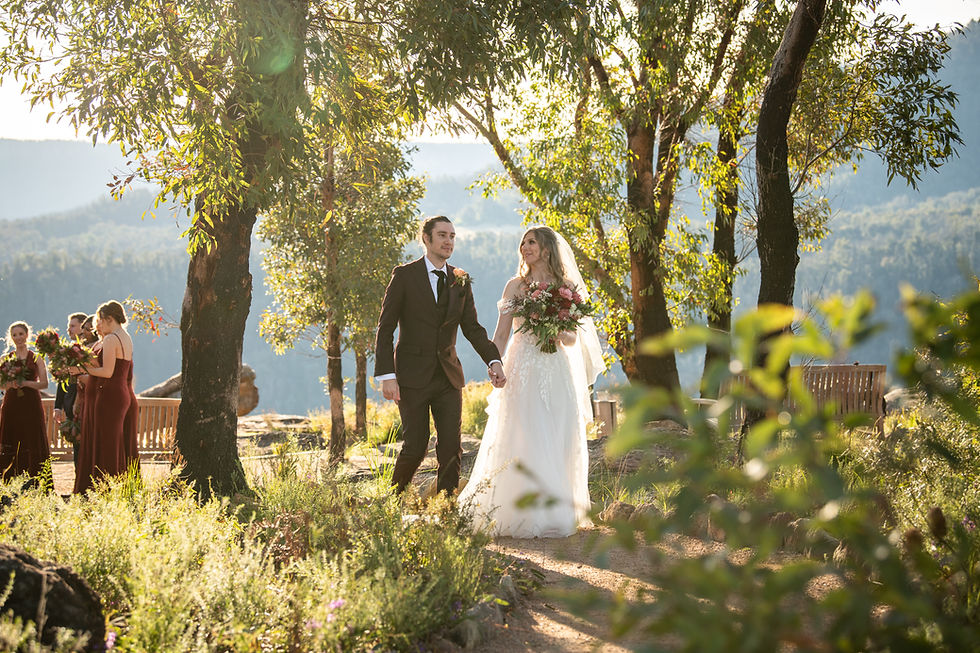

Enjoy a 3 Day, 2 Night Wedding Festival
Not just a few fleeting hours, but an immersive experience with your loved ones. Three days to celebrate and create memories that last a lifetime.

100 Private & Exclusive Acres
At KVBR, it is just your guests and the beauty of the bush. With space for up to 64 to stay onsite, plus more in the camping area you will be surrounded by loved ones throughout your celebration.

The Place
to Celebrate
With BYO flexibility and no curfew, your celebration continues under the stars, sharing stories and laughter around the fire with the people you love most.